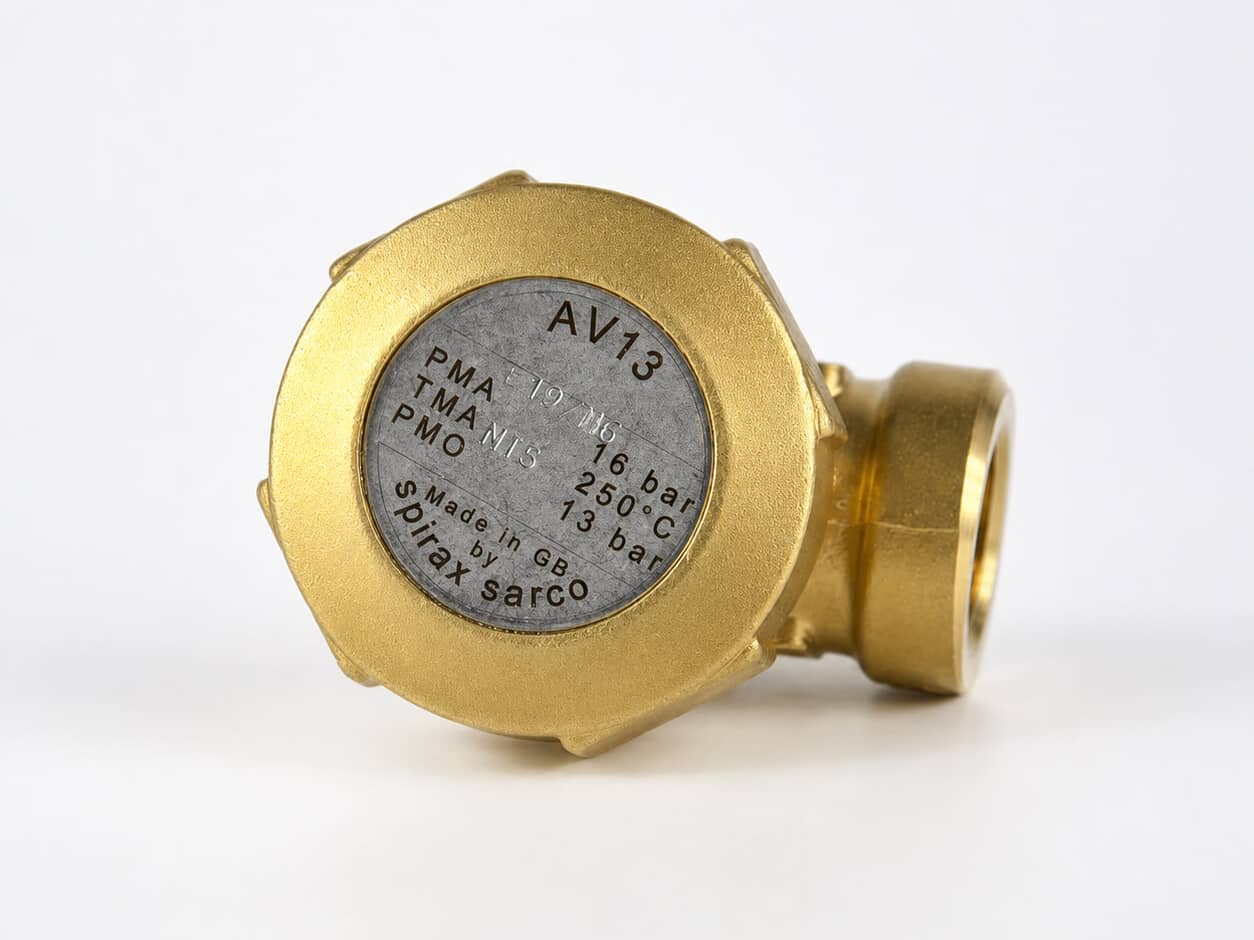
Overview
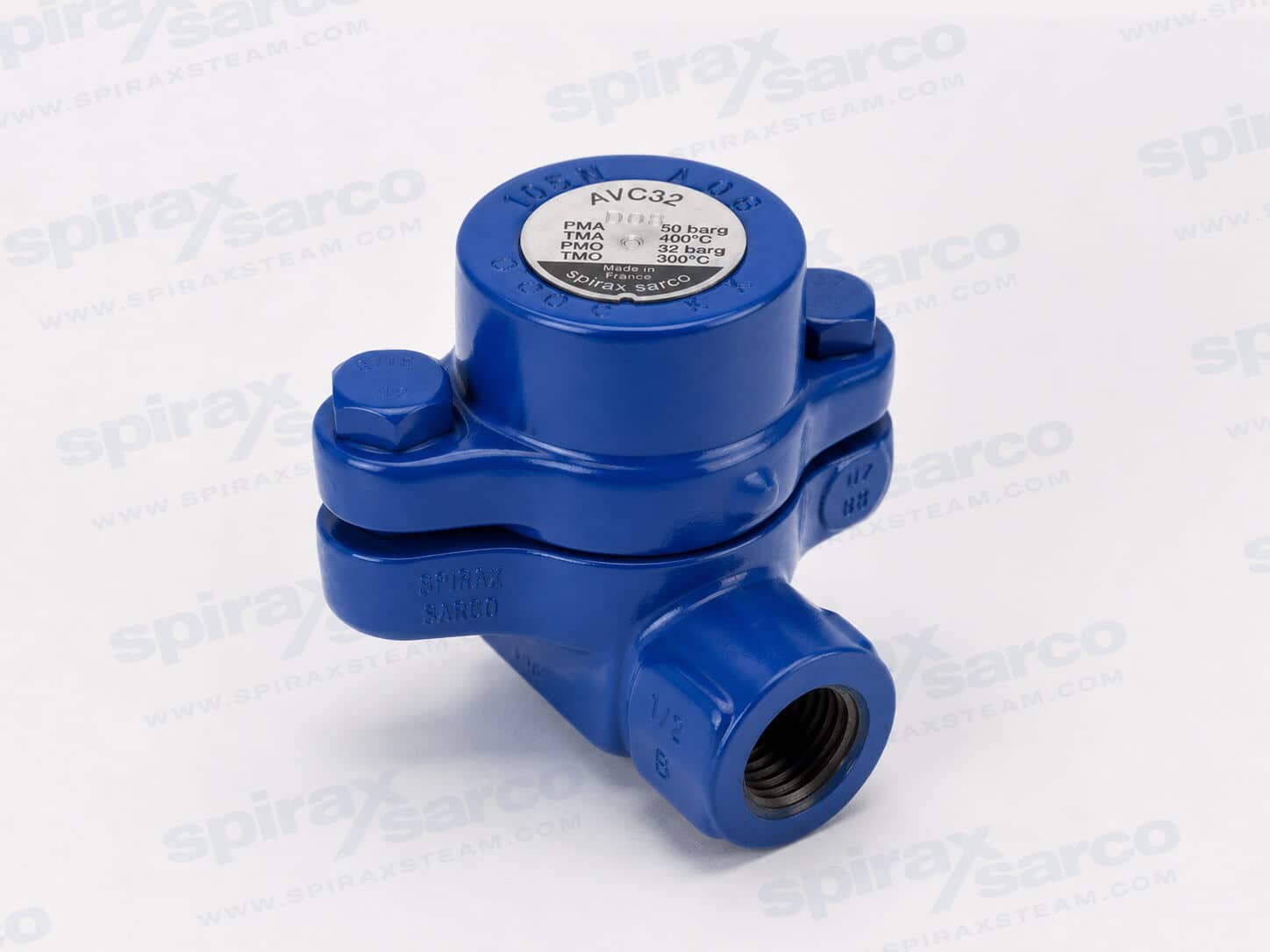
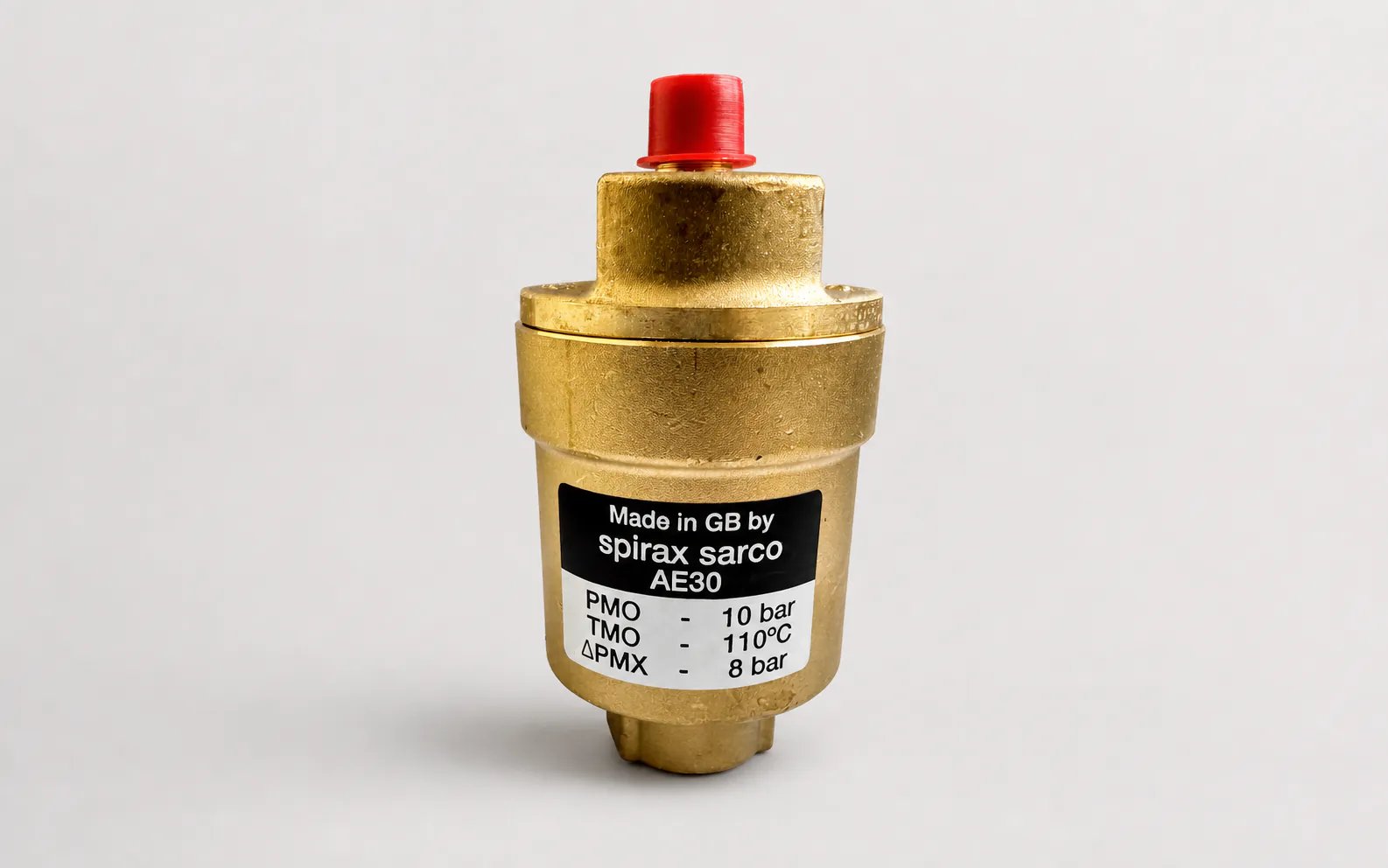
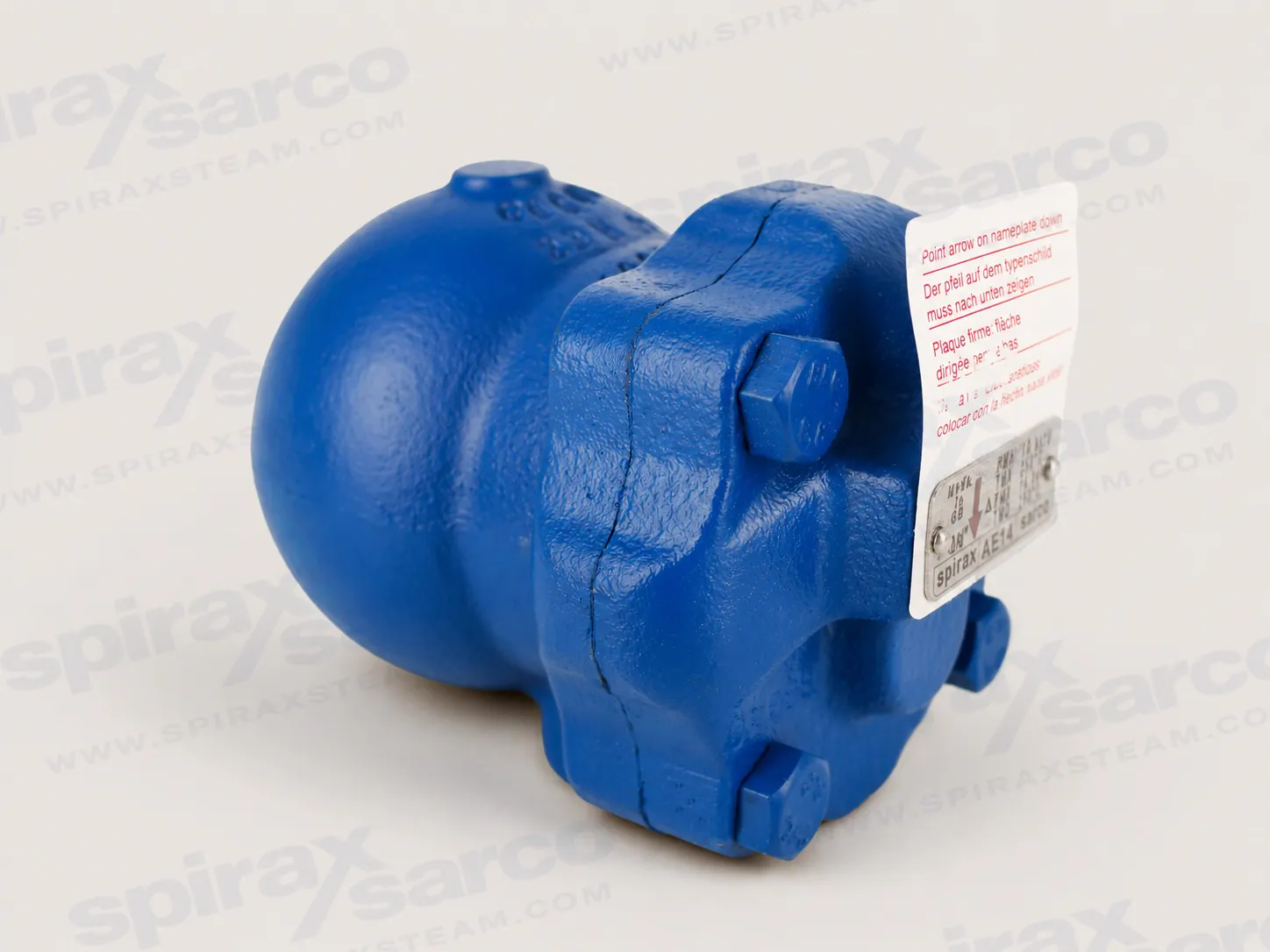
空气和其它不凝性气体会导致蒸汽系统暖机时间变长、同压下蒸汽温度下降、传热恶化,并加速系统腐蚀。 当疏水阀本身无法足够快速地排出空气,或者蒸汽空间结构容易形成死角时,就应通过独立排空气阀把积聚气体及时排出,避免影响工艺性能。 斯派莎克自动排空气阀和排气装置能够在不浪费新鲜蒸汽的前提下去除这些气体,帮助系统更快升温,并在启动和正常运行阶段保持更高效率。 该系列覆盖蒸汽系统、液体系统和洁净蒸汽工况的放气需求,使放气方式能够与介质、洁净要求和安装位置匹配。 正确的放气策略有助于避免气阻、排凝不良、温度控制不稳定以及标准排水点无法触及的气体囊袋所带来的隐性损失。 因此,在汽水分离器、蒸汽主管、工艺容器以及其它不能仅依靠排凝设备来完成排气的场合,独立放气方案尤其重要。
Continue your venting strategy selection
Air removal is rarely an isolated problem. The right venting approach depends on the steam space, the process duty and the surrounding system hardware.
See the wider line support range
Return to the wider pipeline ancillaries range when venting performance also depends on separation, drainage, indication or other line protection hardware.
Coordinate venting with trap selection
Some steam duties still rely on the air venting built into the steam trap itself, while others need a separate vent. Compare venting strategy with the main trap families here.
Support hygienic venting requirements
Use the clean steam range when air removal also needs to align with sanitary process design or high-purity steam applications.